
Welcome to Boffin Global's Research Guides.
Subject guides, research tips and practical resources to support your work.
Showing About these guides.
What are research guides?
Research guides are practical starting points for each stage of a project, from shaping a question and locating evidence to analysing information and communicating results. Choose a topic from the navigation to see the key decisions, suggested steps and quality checks for that part of your work.
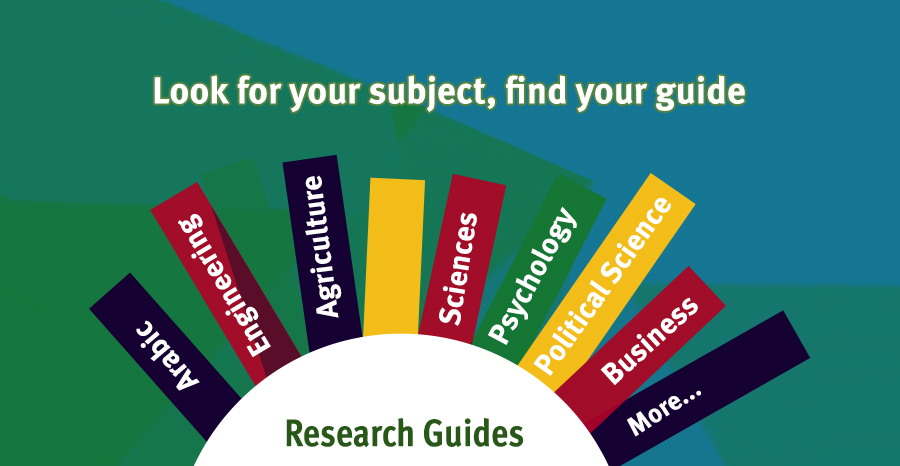
Explore the collection
Begin with the research foundations, move on to finding and assessing evidence, then select the data or technical guide that fits your project. You can move between topics using the navigation or the previous and next controls below each guide.

From topic to research question
A topic describes an area of interest; a research question makes clear what you intend to investigate. A useful question sets boundaries, invites analysis and can be answered with evidence that is realistically available.
Build a focused question
- Name the issue, people, systems or place you want to understand.
- Identify the central concept or variables, then set a useful time period and scale.
- Connect the question to one overall aim and a small set of achievable objectives.
- Check feasibility, ethics, access to evidence and whether the wording assumes a preferred result.
Put it into practice
- Write the broad topic and the problem that makes it worth investigating.
- Specify the context and the evidence you expect to need.
- Draft a question, then narrow it until a defined method could address it.
Planning a research project
A practical plan connects the question to the evidence, methods, time and resources needed to complete the work. It should make dependencies visible while allowing reasonable adjustments as the research develops.
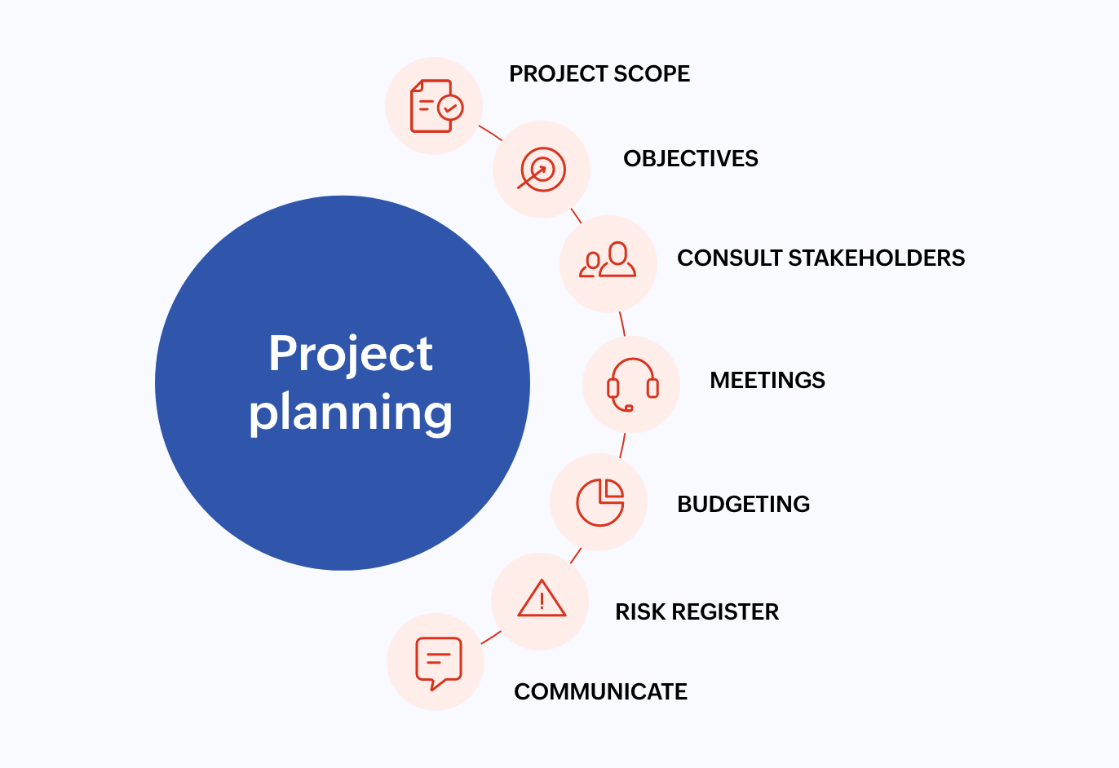

Build the project plan
- Set out the problem, objectives, intended outputs and acceptance criteria.
- List data or source needs, access conditions, formats and planned analysis.
- Break the work into milestones that produce reviewable outputs, such as a pilot, approved search strategy or checked dataset.
- Record risks such as access delays, low response, incompatible data or limited computing capacity, and identify alternatives.
Put it into practice
- Summarize the problem and expected deliverables.
- Map each objective to evidence and a method.
- Agree review points, dependencies, responsibilities and a realistic timeline.
Finding scholarly literature
A strong literature search is a repeatable process, not a single query. It balances broad coverage with relevant results and keeps a record that another person can understand.
Make a search strategy
- Break the research question into its main concepts and list synonyms, acronyms and alternate spellings.
- Use OR to connect alternatives and AND to combine distinct concepts; check the syntax supported by each database.
- Search relevant scholarly databases, repositories, standards and official data sources rather than relying on one platform.
- Record the search date, exact terms, database and limits; save full citation details as you work.
Put it into practice
- Draft a search string from the key concepts.
- Review a sample of results and adjust terms for relevance.
- Save sources and document each search so it can be repeated.
Further reading: Directory of Open Access Journals · Zotero quick-start guide
Evaluating sources and claims
Appearance alone does not establish credibility. Trace important claims to their original evidence and judge the source in relation to your specific question.
Examine the evidence
- Identify who created the source, its purpose, expertise, funding and any relevant conflicts.
- Review the method, data, measures, assumptions and stated limitations behind a research claim.
- Compare with independent sources and consult original studies where possible.
- Check whether the population, place, scale, date or software version matches your project.
Put it into practice
- Write down the claim you may rely on.
- Find the underlying evidence and assess how it was produced.
- Decide what the source can support and what remains uncertain.
Further reading: Hood College guide to evaluating web sources.
Reading and synthesizing literature
A literature review explains how studies relate to one another. It compares ideas, methods and evidence instead of presenting a sequence of isolated summaries.
Move from reading to synthesis
- Record each source's question, setting, data, method, findings, limitations and relevance.
- Group studies by themes, methods, context or differences in evidence quality.
- Explain agreement and disagreement, including how differences in data or methods could account for contrasting results.
- Connect the synthesis to your own question and distinguish a genuine gap from a search that needs further work.
Put it into practice
- Create a consistent literature matrix.
- Compare sources within useful themes.
- Draft paragraphs around analytical points supported by multiple sources.
Choosing a research design
Choose a design for the kind of evidence the question requires. Quantitative approaches examine numerical patterns, qualitative approaches explore meaning and process, and mixed methods combine them for a defined reason.
Match the design to the question
- Decide whether you need to describe a pattern, compare groups, understand experiences or assess a possible effect.
- Define the unit of analysis and the evidence needed to answer the question.
- Consider feasible methods alongside data access, ethics and validity risks.
- Keep conclusions proportionate: for example, an observational association by itself does not establish causation.
Put it into practice
- Write the question and intended inference.
- Compare suitable quantitative, qualitative or combined designs.
- Explain why the selected design fits better than the alternatives.
Sampling, measurement and ethics
Define who or what is included, how concepts will be measured and what safeguards are needed before collecting information. Weak measures or an unclear sample can undermine otherwise sophisticated analysis.
Plan collection responsibly
- Describe the target population, eligibility rules, sampling frame and unit of analysis.
- Choose a sampling approach that fits the question and explain what kinds of generalization it supports.
- Define each variable and its measurement method; pilot instruments where practical.
- Confirm any required review, consent, privacy, access, retention and secure-storage arrangements.
Put it into practice
- Write inclusion and exclusion criteria.
- Document recruitment and measurement procedures.
- Address participant protection and data handling before collection starts.
Preparing and cleaning data
Data preparation is part of the research method. Keep the original data intact and make every transformation explainable and repeatable.
Make data decisions traceable
- Create a data dictionary with variable meaning, type, units, allowed values and source.
- Check identifiers, duplicates, missing values, inconsistent labels, dates, units and unusual records.
- Investigate outliers rather than removing them simply because they change a preferred result.
- Record corrections, exclusions, imputations and other transformations in code or a clear log.
Put it into practice
- Preserve a read-only copy of raw data.
- Validate fields and investigate anomalies.
- Produce a documented analysis-ready copy with a concise change log.
Choosing statistical analyses
Select an analysis based on the research question, study design, outcome type and data structure, not simply on which option is easiest to run in software.
Choose and report a method
- Describe sample size, missingness and distributions before testing a hypothesis.
- Identify outcome and predictor types, independence or clustering, and assumptions that matter.
- Use a method that fits the comparison or relationship under study; association does not establish cause.
- Report effect estimates and uncertainty alongside appropriate limitations; a p-value alone does not express practical importance.
Put it into practice
- State the question and variables.
- Explore the data and check assumptions.
- Choose and justify an analysis, then interpret the result in context.
Qualitative analysis and clear reporting
Qualitative findings should be systematic, sensitive to context and grounded in the materials collected. Make the path from evidence to interpretation visible.
Develop and explain findings
- Secure and review the source material, then code passages relevant to the research question.
- Group related codes into themes and check each theme against the underlying evidence.
- Keep analytic notes when codes or interpretations change; treat disagreement as something to examine.
- Separate participant accounts from your interpretation, protect identities and avoid claims beyond the sample.
Put it into practice
- Organize and familiarize yourself with the material.
- Code, memo and review candidate themes.
- Report themes with context, illustrative evidence and limitations.
Engineering research and simulation
Engineering investigations depend on explicit assumptions, documented models and suitable checks. A simulation represents a system under defined conditions; it does not automatically predict every real-world outcome.
Build confidence in the model
- Define geometry, materials, units, loads, boundary conditions and performance criteria.
- Distinguish verification of the model's implementation from validation against real or independent evidence.
- Check convergence or mesh sensitivity where relevant and examine how uncertain inputs affect results.
- State uncertainty and limits; work affecting safety or regulated decisions needs qualified review and appropriate standards.
Put it into practice
- Document objectives, assumptions and acceptance criteria.
- Verify the computational setup and compare with benchmarks where possible.
- Report results with uncertainty and boundaries for use.
GIS and remote-sensing workflows
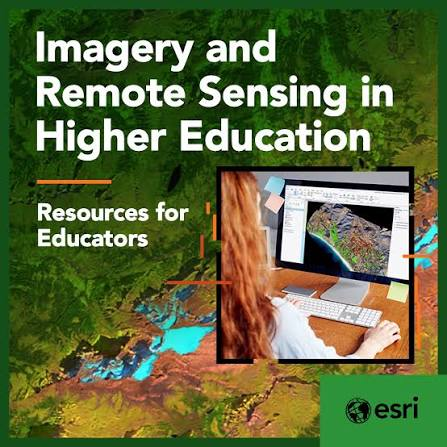
Geospatial analysis relies on correct coordinate handling, appropriate scale and clear data lineage. Differences in resolution, dates or alignment can create patterns that are not present in the real world.
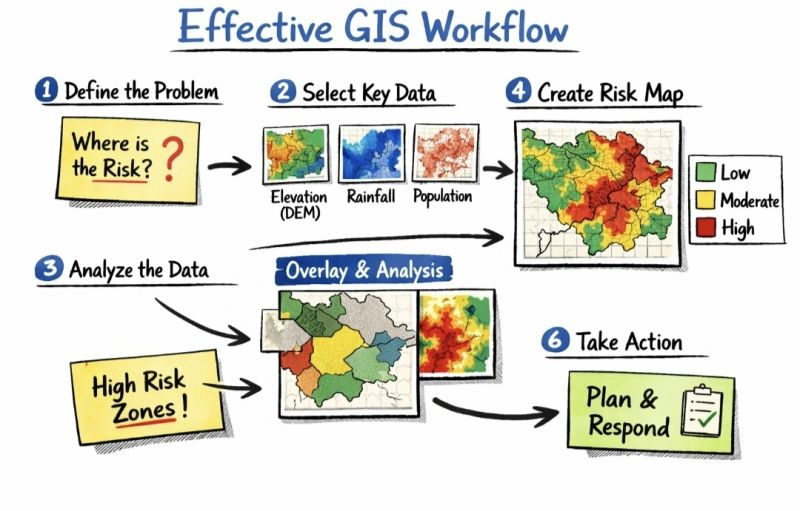
Make spatial work reproducible
- Inspect coordinate reference systems, units, resolution, coverage and collection dates before combining layers.
- Record dataset sources, licences, processing steps and software versions while preserving raw data.
- For imagery classifications, document preparation, training data and independent accuracy checks.
- Include map sources, scale, legend and uncertainty so readers can interpret the result.
Put it into practice
- Set the study boundary and period.
- Check dataset metadata and harmonize compatible layers.
- Validate results where possible and explain limitations in the final map.
Further reading: QGIS documentation · USGS Landsat data access
Reproducible computing, AI and software
Make research software understandable and repeatable by recording its environment, inputs, decisions and limits. Results should be checked independently and interpreted using measures suited to the task.
Document and test the workflow
- Record dependencies, versions, configuration, data sources and clear run instructions.
- Use version control and keep development, validation and final test data distinct where relevant.
- Choose evaluation measures that fit the use case and compare against a sensible baseline.
- Check permissions and licences; protect personal data and credentials, and test systems only with authorization.
Put it into practice
- Describe expected inputs and outputs.
- Automate checks and document the computing environment.
- Report failure cases and provide safe, reproducible examples where data cannot be shared.
Citation, integrity and research communication
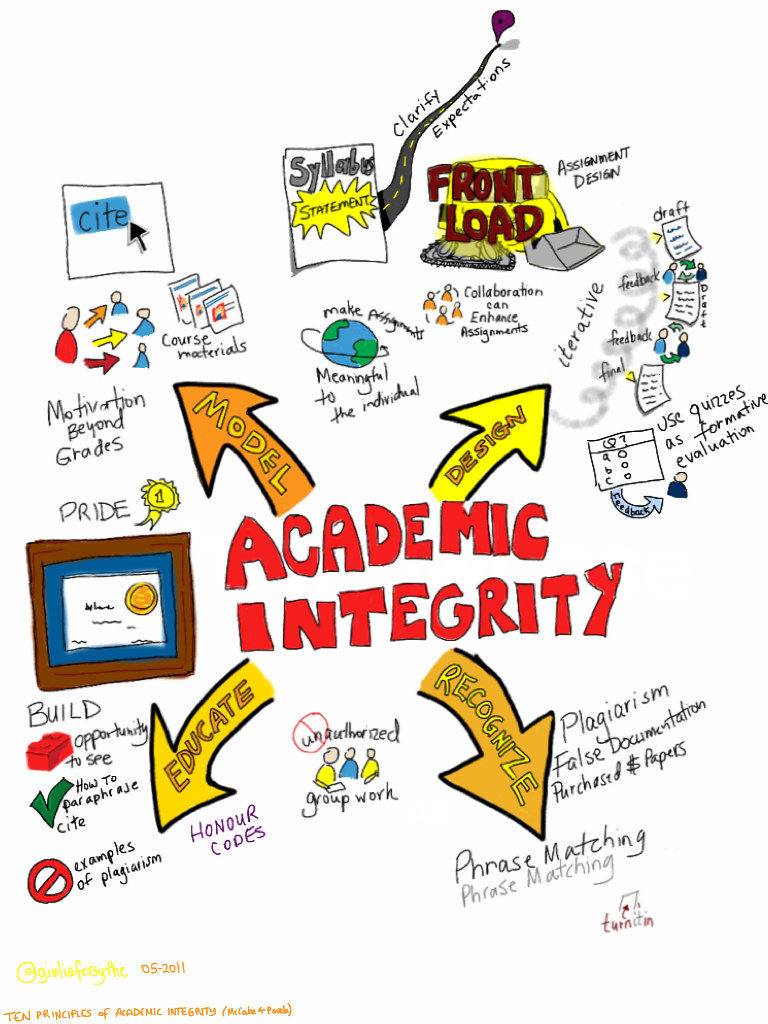
Clear attribution helps readers distinguish your contribution from existing ideas and trace important claims to their sources. Accurate methods and balanced reporting make the work easier to assess.
Communicate the work responsibly
- Cite ideas, methods, data, quotations and claims that are not your own; verify reference details against the original source.
- Explain why the methods fit the question and report results, uncertainty and limitations without hiding unexpected findings.
- Label figures clearly with units, captions and data sources.
- Disclose assistance, including AI tools, when required by applicable institutional or professional rules.
Put it into practice
- Keep complete source records as you research.
- Check that each cited item exists and supports the associated claim.
- Review the final report against relevant integrity and reporting requirements.
Further reading: Zotero quick-start guide · PRISMA 2020 reporting guidance